How Routine Pumping Supports Norweco Singulair Green in Wantage NJ
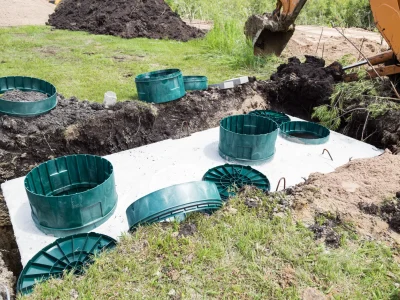

Homeowners in Sussex County tend to learn quickly that wastewater systems are not something you can ignore for long. In Wantage, where many properties rely on private treatment systems instead of municipal sewer connections, performance depends on steady maintenance rather than luck. That is especially true for advanced treatment units like the Norweco Singulair Green. These systems are engineered to treat wastewater more effectively than a basic septic tank, but they are still working in the same real world as every other onsite system. Solids build up. Flows fluctuate. Weather shifts. People move in, kids come home from college, guests stay for the weekend, and the system has to handle all of it.
Routine pumping is one of the most practical ways to protect that investment. It is not glamorous, and it is not usually the part homeowners ask about first. Most people are more interested in alarms, aerators, or whether the system is "running." But pumping plays a quiet, foundational role. If it gets skipped, the entire treatment train has to work harder under worse conditions. Over time, that catches up with performance, service costs, and the life of the equipment.
For anyone researching a norweco singulair green Wantage NJ system, or trying to keep an existing one in good shape, it helps to understand exactly what pumping does and why it matters so much.
The job a Singulair Green system is actually doing
A Norweco Singulair Green is not just a holding tank buried in the yard. It is an aerobic treatment system designed to process household wastewater in stages. Wastewater enters the unit carrying suspended solids, organic material, grease, soaps, and everything else that goes down drains and toilets in a normal home. Inside the system, treatment depends on separation, biological action, aeration, and controlled movement from one chamber or zone to another.
That design gives homeowners a higher level of treatment than a conventional septic tank alone. In the right setting, that can be a strong fit for a property with site constraints, environmental sensitivity, or local approval requirements. The system is active. It relies on air, bacteria, and internal components doing their jobs in sequence. When that sequence stays balanced, effluent quality is far better than what a neglected tank could ever produce.
But the system is not magic. It does not make solids disappear. Even in a well-operating aerobic unit, sludge accumulates at the bottom and scum accumulates at the surface. Some solids break down, some do not, and some only partially decompose before they need to be removed. That is where pumping comes in. If accumulated solids are left in place too long, they reduce effective treatment volume, interfere with settling, and increase the chance that solids move into places they should never reach.
Why pumping matters even when the system seems fine
One of the biggest maintenance mistakes I see with advanced onsite systems is waiting for a problem before acting. Homeowners assume that if toilets flush, sinks drain, and no alarm is sounding, the system must be fine. With a Norweco unit, that can be misleading. A system can still be under strain long before an obvious failure shows up inside the house.
Routine pumping protects the basic conditions the system needs to treat wastewater well. Think of it this way: every treatment process depends on time and space. Wastewater needs enough room to settle properly. Solids need to remain where they belong instead of being churned forward. Biological treatment works better when it is not overloaded by excessive sludge or floating debris. When a tank or treatment chamber is too full of retained solids, those conditions begin to break down.
In practical terms, routine pumping helps with several things at once:
- It preserves working volume inside the unit.
- It reduces the risk of solids carryover into downstream components.
- It lowers stress on aeration and recirculation processes.
- It supports more stable effluent quality.
- It gives the service provider a clear chance to inspect the system’s condition.
That last point deserves more attention than it usually gets. Pumping is not only about removing waste. It is also one of the best opportunities for a trained technician or pumper to observe what is going on inside the system. Unusual sludge depth, excess grease, signs of hydraulic overload, damaged baffles, or other warning signs are often easiest to catch when the tank is being serviced. A homeowner rarely sees those issues on their own, and by the time an alarm or backup occurs, the repair is often more involved.
Wantage conditions can make maintenance more important, not less
Wantage is not a one-size-fits-all environment for onsite wastewater systems. Lot conditions vary. Some properties are older, with systems installed in different eras and under different regulations. Some have seasonal occupancy changes. Some are on sloped ground, and some deal with wet periods, snowmelt, or high groundwater at certain times of year. Those local factors affect how forgiving a system will be when maintenance slips.
Cold weather, for example, does not stop wastewater generation. Families still shower, do laundry, run dishwashers, and host holiday gatherings. Winter can actually reveal weaknesses because the ground is less forgiving and service access becomes more inconvenient. Nobody wants to discover a neglected tank during a January freeze because the toilets start gurgling after a week of guests.
Spring can bring another challenge. Snowmelt and rainfall may increase soil moisture around the property. If a system is already burdened by excess solids and reduced internal capacity, those outside conditions can make the overall setup less resilient. Pumping on schedule does not solve every site issue, but it gives the treatment unit its best chance to perform under changing local conditions.
That is part of why the phrase norweco singulair green Wantage NJ matters in a practical sense. You are not maintaining an abstract piece of equipment. You are maintaining an advanced treatment system in a specific place, with regional weather patterns, household habits, and site conditions that directly affect performance.
What happens when pumping is delayed too long
The consequences rarely show up all at once. Most neglected systems decline gradually, then seem to "suddenly" fail. In reality, there was usually a long runway of avoidable stress.
At first, too much retained sludge simply reduces the system’s treatment volume. Wastewater has less time to separate properly. Then solids begin to migrate farther than intended. In an aerobic system, excess solids can interfere with treatment efficiency and place extra burden on components that were designed to process clarified wastewater, not heavy suspended matter.
Once solids begin moving downstream, repair costs can climb fast. Filters clog sooner. Pumps and internal passages are exposed to more debris. Treatment quality drops. If the dispersal area receives poor-quality effluent over time, the problem can move beyond the treatment unit itself. That is when a homeowner stops dealing with a routine maintenance expense and starts dealing with a system rehabilitation question.
A common example is the household that adds water use without updating the maintenance plan. Maybe the home was occupied by two people for years, then adult children moved back in and weekend visitors became common. Laundry frequency doubled. Shower use increased. The system did not "break" because of one busy month. It got pushed into a higher loading pattern while the solids removal schedule stayed stuck in the past. That mismatch is more common than people think.
Pumping intervals are not identical for every home
Homeowners often ask for a universal answer, usually something like, "How many years can I go?" The honest answer is that pumping frequency depends on usage, system design, household size, garbage disposal habits, and what has been entering the system. For some homes, a shorter interval makes sense. For others, the system may perform well on a different schedule, provided that inspections confirm it.
What matters is not guessing based on the calendar alone. Excavating New Jersey LLC norweco singulair green Wantage NJ The better approach is to combine manufacturer guidance, service records, and actual observations of sludge and scum accumulation. Advanced treatment units should be part of a maintenance relationship, not a wait-and-see arrangement.
A family of five with frequent laundry, long showers, and heavy kitchen use will load the system differently than a retired couple who travel often. A house that hosts summer visitors or holiday gatherings may have seasonal spikes that matter. Even choices like using a garbage disposal can increase solids loading. Food waste adds material that has to settle somewhere, and not all of it breaks down as quickly as people expect.
Because of that, routine pumping should be treated as a performance tool, not just a compliance box to check. The goal is to pump before solids accumulation begins to compromise treatment, not after.
The connection between pumping and system biology
People tend to think of pumping as a mechanical service, but it norweco singulair green Wantage NJ also supports the biological side of treatment. A Norweco Singulair Green depends on microbial activity to break down organic matter. Those microbes work best under stable conditions. When solids retention gets out of hand, the balance inside the system can become less predictable.
Too much sludge can reduce effective aeration and alter how wastewater moves through the unit. Instead of giving bacteria an efficient environment to treat incoming waste, the system starts processing a heavier, dirtier flow with less room for proper separation. That can mean poorer oxygen transfer, more suspended matter, and less consistent treatment.
There is a misconception that pumping "removes the good bacteria" and therefore should be avoided. In reality, regular pumping at appropriate intervals is part of proper management. The system will continue to receive wastewater and reestablish its biological equilibrium. What causes greater harm is allowing excessive solids to remain until they disrupt treatment across the board.
What a good pumping visit should include
A proper pumping appointment is more valuable than a truck showing up, emptying one compartment, and leaving in a hurry. Especially with advanced systems, the best service calls are deliberate. The crew or technician should know what type of unit they are dealing with and should treat the visit as both waste removal and condition assessment.
A strong service visit typically includes the following:
- locating and opening the correct access points
- measuring or at least assessing sludge and scum conditions
- pumping the necessary compartments or treatment zones as appropriate
- checking for visible component issues, unusual buildup, or signs of carryover
- documenting what was found so future service decisions are based on facts
That documentation matters. Over a span of years, records tell a story. If sludge is building faster than expected, it may reflect household changes. If grease is excessive, kitchen habits may be contributing. If solids are appearing in places they should not, there may be a maintenance gap or a component issue to address. Good records turn septic care from guesswork into informed management.
Homeowner habits that affect pumping frequency
Routine pumping works best when it is paired with realistic household practices. Even a well-designed treatment system can be made to struggle if the home sends it more solids or hydraulic load than necessary.
Some examples are obvious. Flushing wipes, feminine hygiene products, paper towels, or other non-degradable items is asking for trouble. Others are less obvious. Running multiple laundry loads back to back every Saturday can create surge flows. Pouring cooking grease down the sink adds material that cools, congeals, and persists. High-strength cleaners and improper chemicals can also interfere with treatment conditions, depending on how they are used.
I have also seen homeowners assume that because the system is advanced, it can handle anything. That confidence is misplaced. Advanced treatment systems are more sophisticated, not indestructible. They still reward ordinary discipline: spread out water use when possible, avoid flushing anything but human waste and toilet paper, and keep grease and food solids out of the plumbing.
Signs that should not be ignored
By the time symptoms appear, the system may already be overdue for attention. Still, there are warning signs that homeowners should take seriously rather than dismiss for another season.
Slow drains across the house can point to several issues, but when multiple fixtures are affected, the onsite system belongs on the suspect list. Toilets that bubble or gurgle during nearby water use can signal developing restrictions. Odors outdoors near the treatment area or tank are never something to write off as normal. Alarm conditions, of course, need prompt professional response. Wet or unusually lush areas near the dispersal area may also indicate a problem, though site conditions can complicate that picture.
Not every symptom means the tank simply needs pumping. Sometimes the issue is electrical, mechanical, hydraulic, or related to the soil absorption side of the system. But pumping delays often contribute to the chain of events. The longer solids are allowed to accumulate, the fewer easy solutions remain.
The cost side of the equation
Routine pumping is often postponed in the name of saving money, but that logic rarely holds up over time. Pumping is a predictable maintenance expense. Repairing or replacing damaged components, restoring treatment performance, or addressing a failing dispersal area is not.
A homeowner who keeps up with pumping usually benefits in several ways. The system tends to perform more consistently. Emergency calls are less likely. Technicians have a better chance of spotting small issues before they become expensive ones. Property transfers and inspections also go more smoothly when there is a clear maintenance history.
This matters in markets like Sussex County, where buyers pay attention to private wastewater systems. When a property has a norweco singulair green Wantage NJ setup, buyers and inspectors often want to know whether the owner has treated it responsibly. A stack of service records tells a more reassuring story than vague statements like "it always seemed to work fine."
Why local experience matters
There is value in working with professionals who understand both Norweco systems and local field conditions. A technician who services advanced treatment units regularly will know where trouble commonly starts, what normal accumulation looks like, and when a household’s pumping interval may need adjustment. Local familiarity matters because usage patterns and site behavior are not identical from one region to another.
In Wantage, a service provider who has seen systems through wet springs, frozen winters, and different soil conditions can often spot patterns that a less experienced contractor might miss. They can also give practical advice that fits the property rather than generic septic advice copied from a brochure.
That does not mean every site is the same or every recommendation should be automatic. Good septic professionals use judgment. They look at occupancy, records, pumping history, and current conditions. They do not promise that one interval fits every homeowner forever.
A maintenance mindset protects the whole system
The healthiest septic systems are usually owned by people who stop thinking in terms of emergencies and start thinking in terms of management. They understand that wastewater treatment happens every day whether they pay attention to it or not. Routine pumping is part of keeping that daily process stable.
With a Norweco Singulair Green, the principle is straightforward. The system can deliver strong treatment when it has the capacity and internal conditions to do so. Pumping helps preserve those conditions. It keeps solids from crowding the treatment process. It supports better settling, cleaner downstream flow, and more reliable operation overall. It also creates regular opportunities to inspect the unit and catch developing issues while they are still manageable.
For homeowners in Wantage, that kind of preventive care is not excessive. It is practical. The cost of staying on schedule is almost always lower than the cost of letting solids build until the system starts telling you, in unpleasant ways, that it has been neglected.
If you own a norweco singulair green Wantage NJ system, routine pumping should sit near the center of your maintenance plan, not at the bottom of a to-do list. It is one of the simplest services you can schedule, and one of the most important for protecting performance, equipment life, and peace of mind.
Excavating New Jersey LLC
406 County Rd 565
Wantage, NJ 07461, United States
Phone: +1 (973) 791-4284
FAQ About norweco singulair green Wantage NJ
How does a Norweco septic system work?
Singulair Green uses aerobic biological treatment in a polyethylene tank, followed by settling and filtration. The treatment unit is one part of a complete wastewater system; the site design also determines how treated effluent is dispersed.
How much does a Norweco septic system cost in NJ?
A useful estimate requires a property evaluation. Excavation access, soil conditions, engineering, electrical work, the disposal field, and restoration can affect the total. Ask Excavating New Jersey LLC for a written scope that distinguishes installation costs from ongoing service costs.
Are Norweco septic systems good?
Singulair Green is an established aerobic treatment option, but suitability depends on the property and proposed design. Compare the model's documented performance, maintenance needs, and total project scope with alternatives before deciding.