How to Extend the Life of Your Norweco Singulair Green Unit
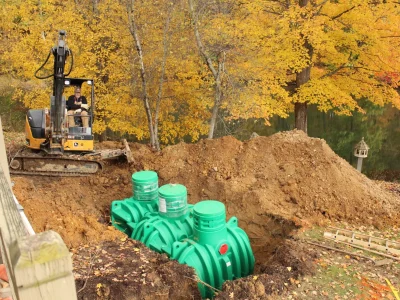

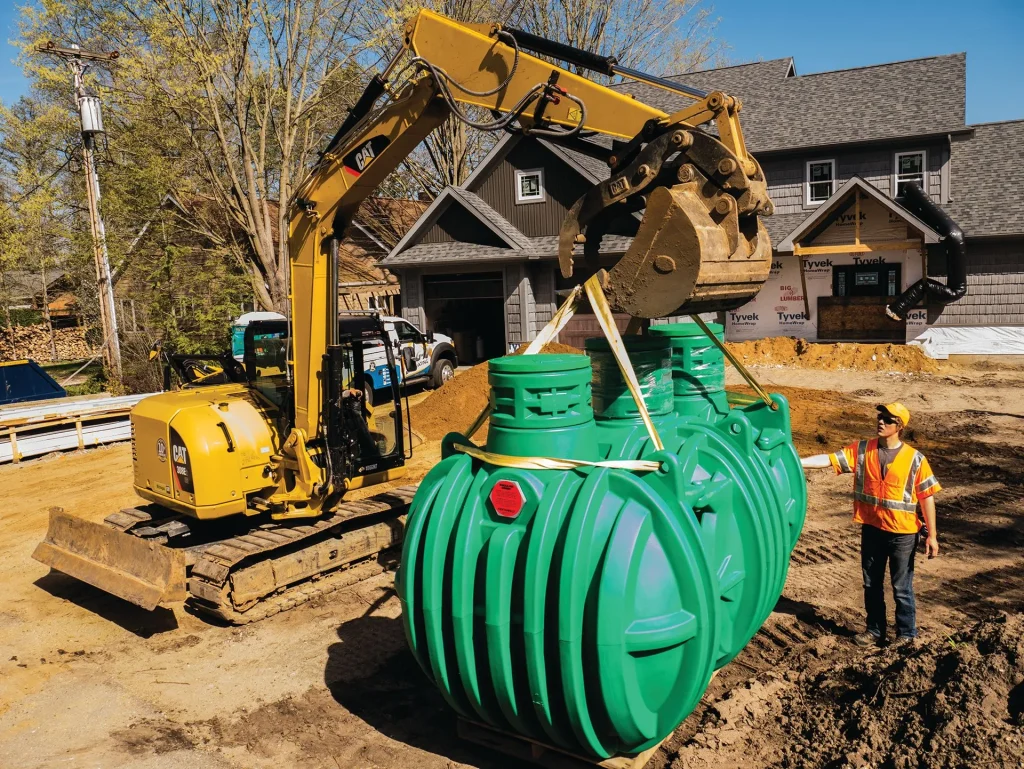
A Norweco Singulair Green unit is not the kind of equipment most homeowners think about until something smells wrong, an alarm sounds, or the service company leaves a note that raises more questions than it answers. That is a mistake, because these systems tend to reward steady attention and punish neglect in slow, expensive ways.
The good news is that long service life is realistic. With an aerobic treatment unit, longevity usually has less to do with luck and more to do with habits. I have seen systems run smoothly for many years when owners understood a few basics, kept up with pumping and inspections, and treated the unit like what it is: a working mechanical and biological treatment system, not a passive hole in the ground.
The Norweco Singulair Green combines wastewater treatment with electrical and mechanical components, moving air, settling solids, and biologically active treatment. That means the path to a longer lifespan is not one big fix. It is a series of small choices that protect the motor, preserve the biology, prevent hydraulic overload, and catch minor issues before they become component failures.
Start with a simple shift in mindset
Many homeowners still think of onsite wastewater in septic terms alone. A conventional septic tank can limp along while being ignored, at least for a while. A norweco singulair green system is different. It is more capable, but it is also more active. Air delivery, settling, recirculation, and disinfection or discharge controls, depending on the setup, all depend on parts working together.
That matters because most premature failures are not dramatic manufacturing defects. They are wear accelerated by poor conditions. Excess solids strain the system. Harsh chemicals suppress the biological process. Water surges push unsettled solids where they do not belong. A neglected aerator may keep running right up to the day it does not, and by then the wastewater quality may already be slipping.
Homeowners who get the best life from these units usually treat them the way they treat an HVAC system or a well pump. They do not obsess over it every day, but they accept that maintenance is part of ownership.
Know what actually wears out
Extending service life gets easier when you know where the stress points are. In broad terms, the vulnerable parts are mechanical components, electrical controls, and the treatment environment itself.
The aeration assembly is often the heart of the system. If air movement drops, treatment quality usually drops with it. Motors, diaphragms, bearings, filters, and associated components wear over time. Some installations hold up beautifully in a clean, dry, well-ventilated environment. Others age faster because of heat, moisture, insects, corrosion, or a power supply that is less stable than it should be.
Then there is the biological side. Aerobic systems depend on a healthy microbial population to break down waste. That biology is resilient, but it is not indestructible. Large doses of bleach, paint residues, solvents, pesticides, or repeated antibiotic loads can disrupt treatment. A unit can be mechanically intact and still perform poorly if the biology is constantly being knocked back.
Finally, solids management quietly determines lifespan. When sludge and scum accumulate beyond what the system is designed to handle, everything downstream works harder. More solids can carry over into chambers, clog components, and reduce treatment efficiency. In real-world service calls, this is one of the most common roots of preventable trouble.
Pumping is not optional, and waiting too long is expensive
Some owners ask whether an aerobic unit needs pumping as often as a conventional septic tank. The better question is not whether norweco singulair green excavatingnj.com it needs pumping, but how to time pumping based on actual usage, tank size, household habits, and service observations.
There is no single universal interval that fits every norweco singulair green installation. A lightly used home with two careful adults will build solids at a different rate than a house with five people, frequent guests, heavy laundry use, and a garbage disposal. In practice, many systems benefit from regular professional evaluation every year and pumping on a schedule that reflects measured solids rather than guesswork. In some homes that may mean every few years. In others, it may be sooner.
Owners often lose years of life from the system because they postpone pumping until there is an odor issue, a wet area, or an alarm. By that point, solids may already have migrated where they should not. Pumping on time costs money, but rebuilding a damaged treatment train costs much more. It also creates a chain reaction: one neglected pumping cycle can shorten the life of pumps, aeration equipment, and discharge components.
A useful rule of thumb is this: if you cannot remember the last time the unit was inspected for solids, you are overdue for that conversation with your service provider.
Protect the biology inside the unit
The microbial community doing the treatment work is invisible, but it is one of the most important assets you have. If you keep killing it off, the system has to recover again and again, and that instability can affect performance and odor.
Homeowners sometimes assume that if a cleaner is sold in a store, it is harmless to an aerobic system. That is not always true. Reasonable household cleaning in normal amounts is usually manageable. The problem comes from concentrated dumping, repeated overuse, and flushing things that were never meant to enter a wastewater system.
The usual troublemakers are strong disinfectants used in excess, solvents, paint products, degreasers, automotive fluids, pesticides, and non-biodegradable wipes. Even “flushable” wipes are a bad bet in many systems. They do not break down the way toilet paper does, and they can contribute to clogging and maintenance issues. Grease is another quiet enemy. It cools, accumulates, and interferes with treatment and flow.
If you want the biology to stay stable, think in terms of moderation. Clean the house, but do not dump leftover chemicals down drains. Spread laundry loads through the week rather than running everything in one stretch. Keep fats, oils, and grease out of the sink. These are boring habits, but boring habits are what keep wastewater systems alive.
Water volume matters more than most people realize
Aerobic treatment units handle wastewater best when flow is relatively steady. They are much less happy when they get slammed with sudden surges.
A single overloaded day can push more solids through the treatment process than the system can settle properly. Repeated overload shortens equipment life because components operate under poor conditions, and treatment quality suffers at the same time. That can happen in homes with leaking toilets, worn flappers, dripping faucets, old softeners discharging too frequently, or marathon laundry days where eight or ten loads run back to back.
A leaking toilet is especially destructive because it often goes unnoticed for weeks or months. It creates a constant hydraulic burden and can turn what should be a well-balanced system into one that never gets a break. I have seen owners focus on additives, odors, and service contracts while the real problem was a silent toilet leak that had been running around the clock.
If you want to extend the life of the unit, reduce unnecessary flow first. It is one of the cheapest forms of preventive maintenance available.
The service contract is not just paperwork
Many aerobic systems are installed under local requirements that include ongoing service by a licensed or authorized provider. Some homeowners treat that as a nuisance fee. That is shortsighted.
A good service visit should do more than check a box. It should evaluate aeration performance, inspect visible components, review sludge levels or pumping needs, verify alarms and controls, and identify wear before it becomes failure. The value is not just in keeping the system compliant. It is in creating a maintenance record and catching trend lines early.
When the same company or technician sees the system over several years, patterns become clearer. They know whether the aerator sounds different than it did last year. They notice whether solids are building faster than expected. They can tell if infiltration, misuse, or aging components are changing the system’s behavior.
This is also where homeowners can ask practical questions. If the family size changed, if an addition was built, or if the property is being used as a short-term rental more often, that affects wastewater loading. Service professionals can help you adjust expectations before those changes translate into accelerated wear.
Keep the aerator area clean, dry, and accessible
Mechanical equipment lasts longer when it is not forced to live in a damp, neglected environment. It sounds obvious, but many units are surrounded by overgrown landscaping, insect nests, pooled water, or debris that traps heat and moisture.
Clear access matters for two reasons. First, technicians can do better work when they can actually reach and inspect the equipment. Second, the environment around the unit affects corrosion and heat buildup. Electrical and mechanical parts generally age better when they stay cleaner and drier.
Do not pile mulch against risers or covers. Do not bury access points under decorative rock or new soil. Do not build something permanent over the system because it looked like unused yard space. If lids are cracked, unsecured, or deteriorated, deal with that promptly. A small opening that lets in water, insects, or debris can lead to bigger trouble than most owners expect.
Alarms are early warnings, not annoyances
One of the easiest ways to shorten the life of a norweco singulair green unit is to ignore the alarm system. Homeowners sometimes silence an alarm and wait to see whether things “go back to normal.” Sometimes they do for a brief period. Often they do not.
An alarm usually means the system is telling you that a condition has drifted outside normal operation. It may point to aeration trouble, a pump issue, a high-water event, or an electrical problem. Even if wastewater still seems to be moving, the treatment process may already be compromised.
Responding quickly protects both equipment and water quality. A small repair handled early may prevent stress on multiple components. Delayed response can turn a manageable service call into an emergency involving backups, odors, field damage, or major replacement.
Watch for these warning signs and treat them as service issues, not inconveniences:
- The alarm sounds or flashes and does not immediately resolve after a known short power interruption.
- Odors become stronger around the unit, yard, or plumbing fixtures.
- Toilets drain slowly or there is gurgling that was not there before.
- The area near the system stays unusually wet without a recent heavy rain.
- Effluent looks different than usual if your setup includes a visible discharge point and local rules allow observation.
That list is short, but it covers the most common homeowner-visible clues that something needs attention.
Be cautious with additives and miracle fixes
Products marketed as septic savers, tank starters, enzyme boosters, and rescue treatments are everywhere. Some are harmless enough, some are unnecessary, and some can create false confidence that delays real maintenance.
A healthy aerobic unit already contains the biology it needs when it is being used properly and maintained correctly. If the system is failing because of solids overload, broken aeration equipment, hydraulic stress, or chemical shock, a bottle poured down the toilet will not solve the underlying problem.
The risk here is not always direct damage from the additive. The larger problem is that owners spend months experimenting with retail products while the real issue worsens. If performance changes noticeably, it is better to have the system inspected than to try three or four off-the-shelf treatments in sequence.
Electrical health is part of wastewater health
Because aerobic treatment units use powered components, electrical reliability matters. Brownouts, repeated tripped breakers, poor splices, corroded connections, and exposure to moisture can all shorten component life.
If the unit shares circuits with other equipment in a way that creates nuisance trips, that should be corrected. If there has been storm damage, flooding, or visible corrosion around electrical components, do not treat that casually. A wastewater system with compromised electrical service may continue to operate intermittently, which is often worse than a clear failure because it creates inconsistent treatment.
Surge protection can make sense in areas with unstable power, but the right approach depends on the installation. This is a good subject to raise during service visits, especially if you have already replaced electrical components once and want to avoid repeating the same pattern.
Seasonal changes can stress the system
Most systems run through the seasons just fine, but certain weather patterns reveal weak points. Wet seasons can expose infiltration problems. Freezing conditions can affect shallow lines, lids, or exposed components depending on the installation. Vacation homes create a different challenge, because very low occupancy can alter flow and maintenance timing.
The answer is not to overreact to every season. It is to notice how your property behaves. Does the yard hold water near the unit after storms? Does runoff from a roof or driveway move toward the treatment area? Are access lids staying secure after freeze and thaw cycles? Does the alarm seem to act up during heat waves or after lightning activity?
A brief seasonal check can prevent a lot of wear:
- Make sure surface water drains away from the system area.
- Confirm lids and risers remain intact, secure, and above grade where applicable.
- Trim vegetation so air can circulate and service access stays open.
- Check for signs of erosion, settlement, or standing water near components.
- Review water use patterns after guests, holidays, or periods of vacancy.
Those checks take far less time than dealing with a saturated yard or a waterlogged access point.
What homeowners should never do
There is a category of damage that has nothing to do with age and everything to do with misuse. Driving vehicles over the system is one of the fastest ways to create expensive repairs. Even if the lids survive, tanks, lines, and surrounding soil structure may not appreciate the weight. The same goes for placing sheds, patios, or other heavy structures over components or treatment areas.
Digging without knowing the layout is another classic mistake. A new fence post, tree planting, or drainage project can interfere with buried lines and access points. If you are not certain where the components are, find out before a shovel goes into the ground.
Homeowners also make life harder for their systems when they ignore the paper trail. Keep the installation information, service records, pumping dates, repair notes, and model details. Those records help technicians troubleshoot faster and help future owners avoid repeating old mistakes. I have watched service calls stretch longer than necessary simply because no one knew what had been replaced two years earlier.
The role of household habits
The longest-lasting systems usually belong to households that are not perfect, just consistent. They do not use the toilet as a trash can. They spread water use through the week. They know where the system is. They call when something changes.
This is especially important in homes with kids, guests, or renters. A single occupant who understands the rules is one thing. A rotating cast of users is another. If the property is rented or shared, basic guidance matters. That does not require a lecture taped to the bathroom mirror. It can be as simple as making clear that wipes, grease, feminine hygiene products, paper towels, and chemicals do not belong in the system.
Garbage disposals deserve special mention. They are convenient, but they add solids load. If a home uses one heavily, pumping intervals may need to be shorter. That is a trade-off, not a moral failing, but it should be acknowledged. Convenience upstream usually shows up as maintenance demand downstream.
When repair is smarter than waiting for replacement
Owners sometimes hesitate to replace a worn aerator component or address a control issue because the system still seems to be “working.” That can be penny-wise and pound-foolish. Mechanical parts that are struggling often increase stress elsewhere. A weakened aeration system, for example, can lead to poorer treatment, more odor, and degraded overall performance long before the unit fully stops.
It is often more cost-effective to make targeted repairs while the rest of the system is healthy. Waiting until multiple parts fail together usually means higher labor cost, greater disruption, and a larger recovery job for the biological process.
This is one area where professional judgment matters. Not every older component needs preemptive replacement. Some equipment keeps going reliably for a long time. The key is distinguishing healthy aging from obvious decline. That is another reason continuity with a qualified service provider is valuable.
A practical maintenance rhythm
If you want a realistic strategy rather than a pile of tips, think in terms of rhythm. Watch water use all year. Keep harmful materials out of the drains every day. Keep access points clear every season. Have the system serviced on schedule. Pump based on inspection findings and usage, not wishful thinking. Respond promptly to alarms and changes in odor, drainage, or yard conditions.
That rhythm is what extends the life of a norweco singulair green unit. Not one miracle product. Not one oversized repair. Not one lucky year.
Most of the owners who get long, uneventful service from these systems are not experts. They simply respect the fact that an aerobic treatment unit is both a machine and a living treatment environment. When you protect both sides of that equation, the system usually gives you something every homeowner wants: fewer surprises, lower long-term cost, and a much better chance of avoiding early replacement.
Excavating New Jersey LLC
406 County Rd 565, Wantage, NJ 07461, United States
+1 973-791-4284
FAQ About norweco singulair green
How much does a NORWECO septic system cost?
The installed cost depends on the selected unit, engineering, site access, excavation, electrical work, disposal-field design and required approvals. A tank-only price is not a complete installation quote. Ask Excavating New Jersey LLC for a site-specific, itemized estimate that also explains ongoing service costs.
How does a Norweco septic system work?
The Singulair Green uses pretreatment, aeration, clarification and filtration to treat domestic wastewater. In the aeration chamber, oxygen supports bacteria that break down organic material. The Bio-Kinetic unit provides further filtration and flow equalization. Final effluent disposal must follow the property's approved design and applicable requirements.
What is the average lifespan of a septic system?
There is no guaranteed lifespan for every system. Design, installation, soil conditions, wastewater loading and regular maintenance all matter, and mechanical parts may need replacement before the tank. For a Singulair Green system, follow the manufacturer's service schedule and have a qualified provider assess its condition and pumping needs.