How to Keep Your Norweco Singulair Green System Operating Smoothly in Wantage NJ
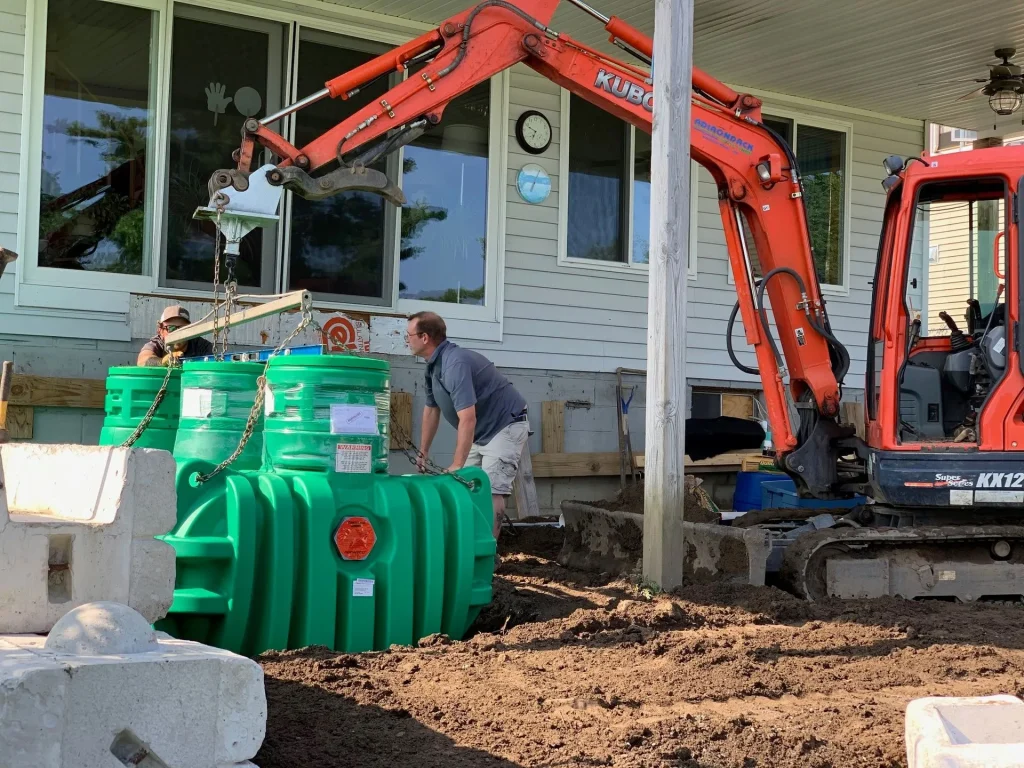
Owning a home with an advanced treatment system changes the way you think about wastewater. A conventional septic tank can go years with very little attention beyond pumping and common-sense water use. A Norweco Singulair Green system asks for a bit more involvement, but it also gives you a much higher level of treatment when it is maintained properly. In places like Wantage, where property conditions, seasonal shifts, and local soil realities all shape how an onsite system performs, that extra attention matters.
Homeowners often assume a treatment system will let them forget about wastewater altogether. That is rarely true. The better way to think about a Singulair Green unit is like any other hardworking mechanical system in your home. It needs air, power, a healthy biological process, and periodic service. If you stay ahead of small problems, the system will usually reward you with steady, quiet performance and fewer ugly surprises.
That is especially important with a norweco singulair green Wantage NJ installation, because local conditions can be deceptively tough on wastewater systems. Sussex County homes often deal with cold winters, intermittent heavy rain, changing occupancy, and in some neighborhoods, challenging site drainage. None of that means the system is fragile. It means the system performs best when it is treated like the sophisticated equipment it is.
What makes this system different from a basic septic setup
A Norweco Singulair Green system is not just a holding tank. It is an aerobic treatment unit designed to treat wastewater to a higher standard than a traditional septic tank alone. In simple terms, it uses aeration and biological activity to break down waste more efficiently. That cleaner effluent can be important where site constraints or environmental sensitivity demand better treatment.
For the homeowner, the practical difference is this: there are moving parts, electrical components, and treatment stages that need to keep working together. If a conventional tank is a passive system, a Singulair Green is active. It depends on a steady balance. The bacteria need a predictable food source. The aeration equipment needs power. The internal components need to stay clean and unobstructed. The discharge path, if your setup includes one, needs to remain functional.
When people run into trouble, it is often because they care for the system as if it were a basic septic tank. That mismatch is where avoidable failures start. I have seen systems with perfectly good treatment chambers struggle simply because filters were ignored, alarms were misunderstood, or the homeowner assumed occasional harsh cleaners would not matter.
Why Wantage homes need a little more awareness
Wantage gets real winter weather. Freezing temperatures can affect exposed lines, shallow components, and discharge areas if a property has grading issues or if the system sits idle for long stretches. Summer thunderstorms can be just as disruptive in a different way, especially if roof runoff, sump discharge, or yard drainage pushes extra water into the treatment area.
Then there is occupancy. Many Sussex County homes are not used in exactly the same way year-round. Some have visiting family on weekends. Some have periods where only one person is home. Others are effectively full houses during holidays and summer. Biological treatment systems do not love extreme swings. They can handle normal household variation, but feast-or-famine patterns are harder on them than steady use.
That is why homeowners with a norweco singulair green Wantage NJ system benefit from learning what “normal” looks and sounds like. Once you know your system’s ordinary rhythm, unusual odors, louder aerator noise, pooling water, or alarm conditions stand out fast.
Smooth operation starts with water habits inside the house
The best maintenance visit in the world cannot fully offset bad daily habits. Most performance problems begin with what goes down the drain and how much of it arrives at once.
A treatment system works best when flows are spread out. If three loads of laundry, long showers, and dishwasher cycles all stack up in a short window, the incoming surge can disturb settling and treatment. That does not mean you need to live nervously. It means staggering water use is smarter than dumping a day’s demand into the system over two hours.
The same goes for what enters the plumbing. A Singulair Green unit can process normal household wastewater, but it is not meant to digest everything modern life produces. Grease is still grease. “Flushable” wipes are still a nuisance. Large amounts of bleach, antibacterial products, solvent-based cleaners, or paint residues can upset the biology the system depends on.
Homeowners sometimes ask whether one bad cleaning day can ruin the system. Usually, no. These units are not made of glass. But repeated misuse chips away at performance. Think of it as a biological process with some resilience, not infinite tolerance.
The service relationship matters more than many owners realize
A Norweco system should not be treated as install-and-forget equipment. Regular professional inspection is part of owning one responsibly. The exact interval may vary with local requirements, the specific model, occupancy, and service agreement terms, but the key point is consistency. Skipping service for years at a time tends to cost more later.
During proper service, a technician is not just peeking inside and leaving. They should be checking operation of the aerator and any alarms, looking at sludge and scum levels, assessing clarity and treatment quality, cleaning or inspecting key components, and noting whether the system is receiving signs of abnormal loading or misuse. If there is a chlorination or disinfection component, that needs attention too, based on the system design and local rules.
A good technician also notices the less obvious clues. Is the tank taking on excess clear water after rain? Is there evidence of solids carryover? Are roots or poor grading starting to create trouble? Those observations are where experienced service pays off.
For homeowners in Wantage, this is one of the most practical decisions you can make. Work with a company that actually knows advanced onsite treatment units, not one that mainly pumps standard septic tanks and only occasionally sees aerobic systems.
What you can watch between service visits
Most owners do not need to become wastewater experts. They do need to become alert observers. The goal is not constant worry. The goal is catching changes early, while they are still small.
Here are a few signs that deserve attention:
- An alarm sounds, flashes, or resets repeatedly.
- The aerator becomes noticeably louder or goes silent.
- Odors appear near the tank, vent, or discharge point and linger.
- Toilets and drains become sluggish without an indoor plumbing explanation.
- The ground near the system or discharge area stays wet when weather has been dry.
None of these signs automatically means catastrophic failure. An alarm might reflect a power interruption. Wet ground may come from drainage problems rather than the unit itself. Odor can spike briefly after unusual loading. Still, each symptom is worth a call, especially if it persists more than a day or two.
One of the costliest mistakes homeowners make is waiting until sewage backs up or the yard becomes obviously saturated. Treatment systems usually give warnings first. They just do it quietly.
Alarm conditions are not a nuisance, they are a message
A lot of people hear an alarm and assume the system is simply being fussy. That mindset can turn a manageable service call into a larger repair. An alarm usually means the unit has detected something outside normal operating conditions. It could be a high water condition, aeration issue, control problem, or another fault depending on the setup.
If the alarm goes off, check first for the simple causes you can safely verify. Was there a recent outage? Did a breaker trip? Was there an unusual burst of water use? Beyond that, resist the temptation to keep poking around. Do not bypass safety features. Do not disconnect equipment because the noise is annoying. Do not assume it will clear itself in a week.
There is a big difference between acknowledging an alarm and panicking over it. The calm response is to reduce water use temporarily and contact your service provider. That keeps stress off the unit while the problem is diagnosed.
Seasonal issues in Wantage that affect performance
Cold weather has a way of revealing weak points in any onsite system. If a property has shallow lines, exposed lids, compacted snow over critical areas, or periods of vacancy, winter operation deserves extra thought. A house that sits empty for stretches can lose the warm, regular wastewater flow that helps keep the biological process active and temperatures stable.
At the other end of the calendar, spring can bring snowmelt, rain, and soft ground. If surface water is directed toward the system, or if the yard around it has settled in a way that traps runoff, the treatment area can become stressed. Extra water entering where it should not can dilute treatment and overwhelm capacity.
Summer creates a different set of pressures. Visiting guests, more laundry, more showers, and outdoor cleanup all raise flows. A system that seems “fine” most of the year may show weakness during a busy July week. That is not unusual. It is often the first clue that service is overdue or that household water use needs to be spread out more sensibly.
Landscaping and drainage can help or hurt
People usually think of septic maintenance as something happening underground, but the yard around the system tells a story. Proper grading helps keep stormwater away from tanks, risers, and treatment or dispersal areas. Poor grading does the opposite.
Heavy vehicles should never cross or park over system components. That advice sounds basic, but it still gets ignored during paving, delivery, or home improvement projects. Compaction and structural damage are expensive lessons. The same caution applies to aggressive root systems. Trees and large shrubs do not need to stand directly on top of components to create trouble over time.
I have seen homeowners unknowingly create a problem by solving another one. A sump line, downspout extension, or yard drain gets rerouted for convenience, and months later the septic service call starts with, “It’s been wetter over here than usual.” Surface water management is part of treatment system care, even if it does not feel like it.
Pumping still matters, even with advanced treatment
Some owners hear “aerobic treatment unit” and assume norweco singulair green Wantage NJ solids no longer need to be managed in the same way. That is not how these systems work. Solids still accumulate and must be removed at appropriate intervals. The timing depends on tank size, occupancy, usage patterns, and service findings. There is no honest one-size-fits-all pumping schedule that fits every house.
What does hold true is that waiting too long increases the chance of solids escaping where they do not belong. Once that happens, downstream components can suffer. Pumps, filters, and dispersal areas all prefer wastewater that has been treated and separated properly. Solids where they should not be are the beginning of many expensive stories.
Your service provider should be able to recommend pumping based on actual conditions rather than vague guesswork. That is a better approach than either pumping too often for no reason or waiting until the system is stressed.
The household products question
People want a clean, odor-free house. That is fair. The tension comes from trying to maintain that standard without sabotaging the bacteria that do the treatment work. The good news is that normal cleaning is usually compatible with system health. The problems start with excess, not routine.
A moderate amount of standard household cleaner used as directed is generally less of a concern than repeated doses of concentrated disinfectants, drain openers, or products meant to sterilize everything they touch. If a drain clogs, mechanical cleaning is often gentler on the system than repeatedly dumping harsh chemicals into the line.
Garbage disposal use is another area where judgment matters. Some homes use one without issue, but every bit of extra organic solids increases the load. If your household cooks heavily and uses the disposal as a catch-all, expect more stress on the system and potentially more frequent pumping.
A few practical habits that pay off year after year
Small habits tend to produce the biggest long-term results:
- Spread laundry and high-water tasks across the week instead of batching them into one short period.
- Keep grease, wipes, hygiene products, and harsh chemicals out of the drains.
- Pay attention to alarms, odors, wet spots, and changes in drain performance.
- Maintain regular professional service with a provider familiar with Norweco equipment.
- Protect the area from runoff, vehicles, and root intrusion.
None of these habits is dramatic. That is the point. Smooth system performance usually comes from ordinary discipline, not emergency heroics.
When occupancy changes, your care routine should change too
A treatment system serving two full-time adults behaves differently from one serving a rotating cast of visitors, grandchildren, tenants, or weekend guests. If your household has changed significantly since the system was installed, it is worth discussing that with your service provider.
More people means more organic load, more water, and more toilet paper, laundry, and kitchen waste. Less predictable occupancy can also create periods of starvation followed by overload. Neither extreme is ideal. Sometimes the best solution is not a repair at all. It is a change in household habits, a pumping adjustment, or a service schedule that reflects how the house is actually used now.
This comes up often in Wantage when homes evolve over time. A retired couple becomes a multigenerational household. A quiet property becomes a busy gathering place. A home office adds daytime water use. The system may still be capable, but your maintenance approach has to keep up.
What to ask when you hire service for a norweco singulair green Wantage NJ system
Not every septic company approaches advanced treatment equipment with the same depth of knowledge. Some are excellent with standard tanks and leach fields but less experienced with mechanical and biological treatment systems. Ask direct questions. How often do they service Norweco units? What do they inspect on routine visits? Do they handle alarms and troubleshooting in-house? Can they explain what normal operation should look like for your model?
You are not looking for sales language. You are looking for clarity. A good service professional should be able to speak plainly about maintenance intervals, common failure points, owner responsibilities, and what conditions on your specific property deserve watchfulness.
That local context matters. A contractor familiar with norweco singulair green Wantage NJ installations will often have a better feel for how winter weather, hillside drainage, seasonal occupancy, and local permitting expectations affect long-term performance.
The value of records, even for homeowners who hate paperwork
Few people enjoy keeping maintenance logs, but a small folder or digital note can save real money. Keep service reports, pumping dates, alarm history, and any repair details. If a pattern emerges, that history helps the next technician diagnose faster. It also helps if you sell the property. Buyers are understandably cautious around advanced onsite systems, and organized records show responsible ownership.
The best records are simple. Date of service, what was done, any recommendations, and whether a follow-up was suggested. That is enough to be useful without turning your home into a filing project.
Smooth operation is mostly about consistency
A Norweco Singulair Green system is capable equipment. It can deliver excellent treatment when it gets what it needs: steady use, sensible inputs, routine service, and prompt attention when something changes. Most serious problems do not appear out of nowhere. They build from neglected warning signs, postponed maintenance, or household habits that overwhelm the treatment process.
For homeowners in Wantage, the smart approach is practical rather than complicated. Learn your system’s normal behavior. Respect the role of professional service. Manage water and waste thoughtfully. Keep runoff and heavy traffic away from the area. Treat alarms as useful information, not background noise.
Do that consistently, and your system has a strong chance of doing what it was designed to do, quietly, efficiently, and without becoming the part of homeownership you regret ignoring.
Excavating New Jersey LLC
406 County Rd 565
Wantage, NJ 07461, United States
Phone: +1 (973) 791-4284
FAQ About norweco singulair green Wantage NJ
How does a Norweco septic system work?
Singulair Green uses aerobic biological treatment in a polyethylene tank, followed by settling and filtration. The treatment unit is one part of a complete wastewater system; the site design also determines how treated effluent is dispersed.
How much does a Norweco septic system cost in NJ?
A useful estimate requires a property evaluation. Excavation access, soil conditions, engineering, electrical work, the disposal field, and restoration can affect the total. Ask Excavating New Jersey LLC for a written scope that distinguishes installation costs from ongoing service costs.
Are Norweco septic systems good?
Singulair Green is an established aerobic treatment option, but suitability depends on the property and proposed design. Compare the model's documented performance, maintenance needs, and total project scope with alternatives before deciding.